
Canon RF100-400mm F5.6-8 IS USM Telephoto Lens
4.6Editor score
Compact and lightweight design
5.5 stops image stabilization
Nano USM autofocus
Discover the top camera lens for long distance wildlife photography. This guide compares ten expert selected telephoto lenses for nature and animal shots.
Capturing wildlife from a safe distance requires specialized optics that balance reach and clarity. A good lens ensures sharp images even when subjects are far away in their natural habitat.
We evaluated ten telephoto lenses based on optical performance, stabilization, and usability for outdoor photographers. Each option offers unique strengths for different budgets and camera systems.
Every pick highlights key features and real world capabilities to help you choose wisely. Note that availability and pricing may vary over time so check current listings before buying.
4.6Editor score
4.7Editor score

4.0Editor score
This side-by-side comparison highlights key specifications and capabilities across all ten selected lenses. Use this overview to quickly identify which model fits your camera system and photography needs.



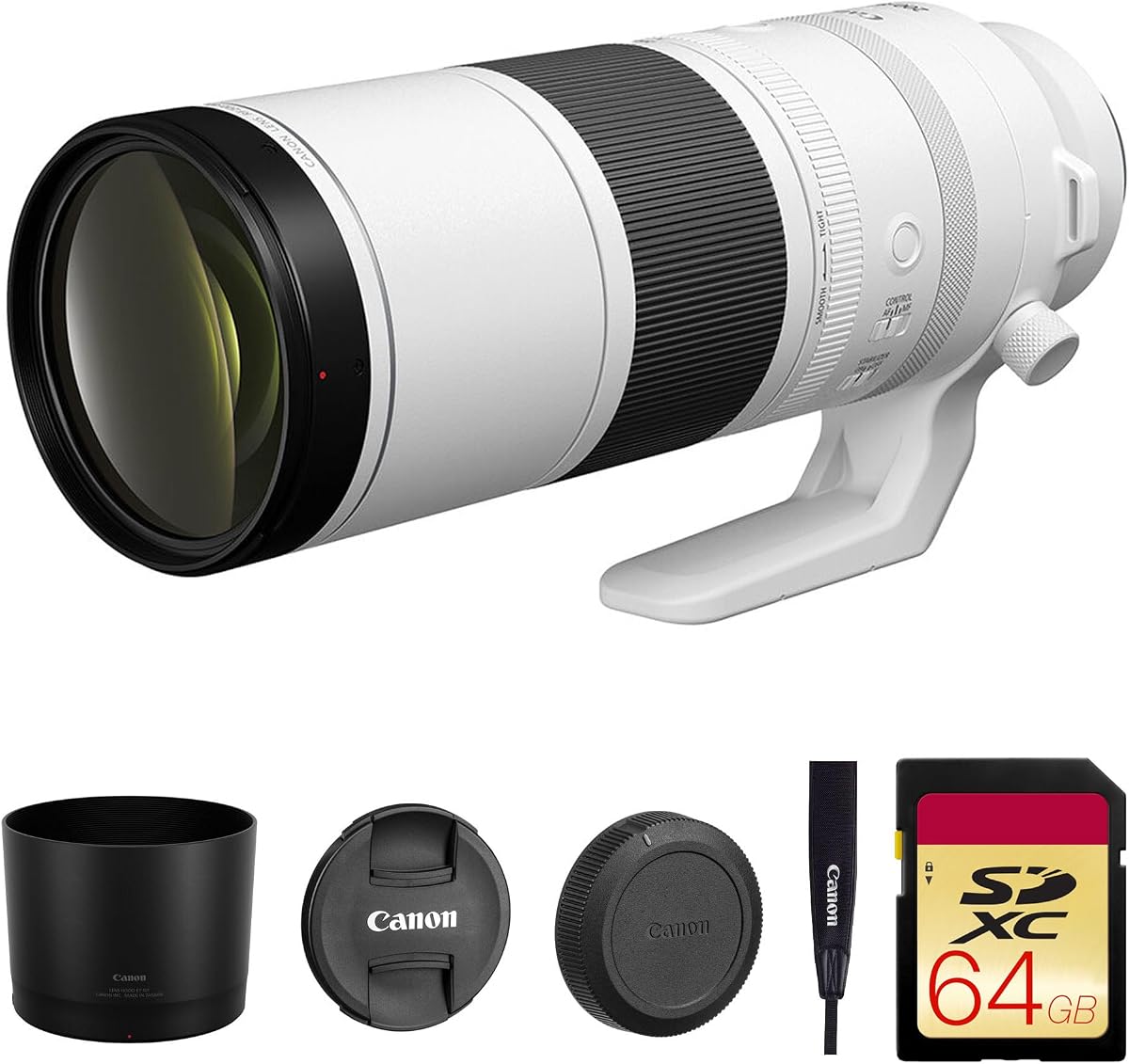
This lens stands out as a top choice for wildlife photographers needing extreme reach. It delivers sharp results with built-in stabilization for handheld shooting.
We may earn a commission when you buy through this link, at no additional cost to you.
The 200 to 800mm range allows you to capture distant subjects with precision. Its USM autofocus ensures quick and quiet focus even on fast-moving animals.
While expensive, the optical quality and portability justify the investment. The compact design makes it easier to handle during long outdoor sessions.
Ideal for serious photographers seeking professional results. Choose this if you value reach and image stability without sacrificing too much weight.
The 200 to 800mm range provides unmatched flexibility for various wildlife scenarios.
Built-in image stabilization allows for clear shots even without a tripod.
We may earn a commission when you buy through this link, at no additional cost to you.
This lens offers incredible reach for mirrorless shooters at a competitive value. Its optical design ensures high quality across the zoom range.
We may earn a commission when you buy through this link, at no additional cost to you.
With an 800mm maximum focal length, you can photograph distant wildlife easily. The lightweight construction makes it comfortable for extended handheld sessions.
While it shares many features with the bundle version, it lacks the extra accessories. The aperture slows down significantly at longer focal lengths which affects low light performance.
Great for those with RF cameras wanting top-tier performance. Prioritize this if mobility and reach are your main concerns.
As the worlds first AF super-telephoto zoom reaching 800mm it offers unique capabilities.
Works with RF extenders to push focal lengths even further when needed.
We may earn a commission when you buy through this link, at no additional cost to you.
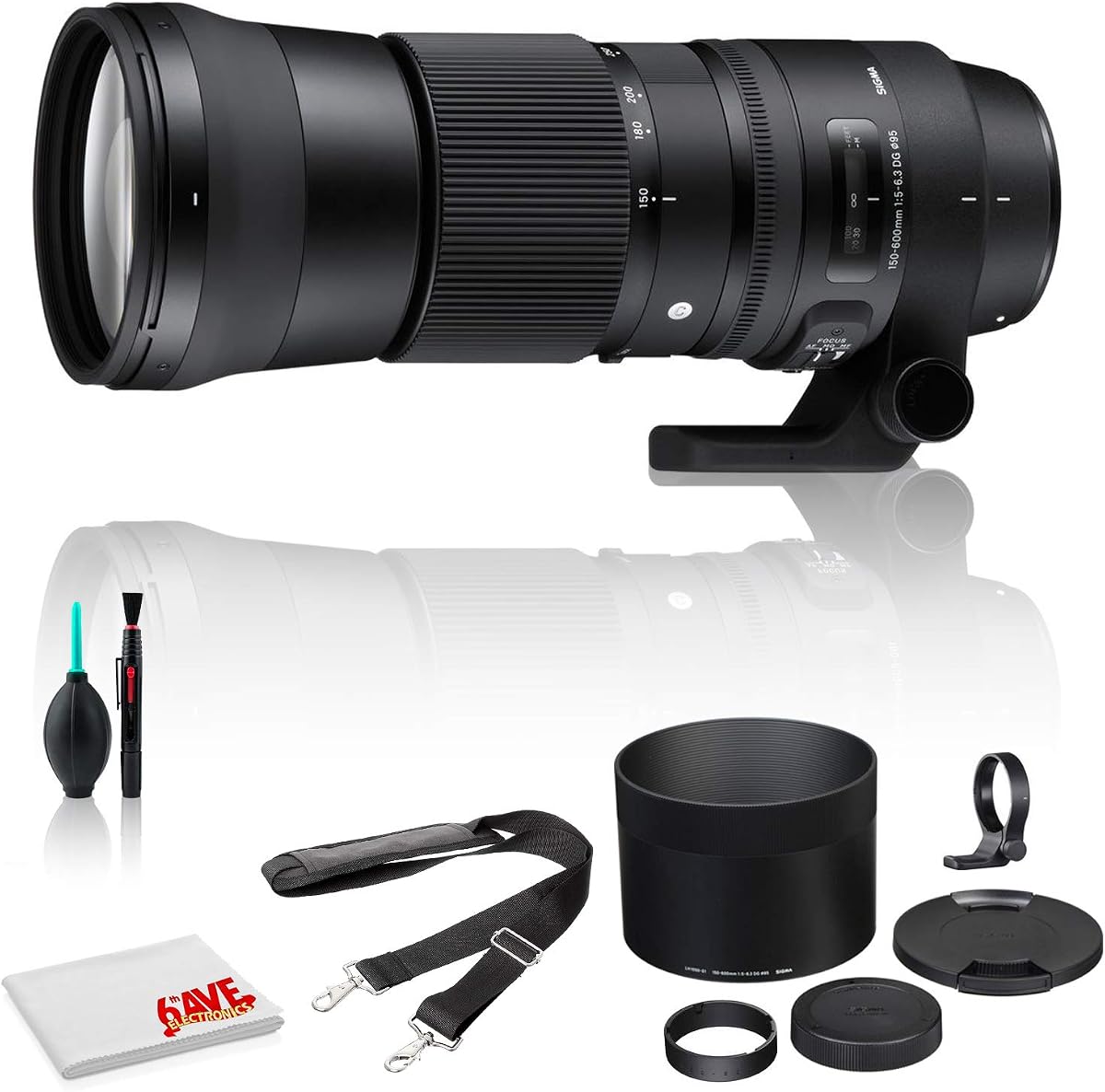
Sigma delivers a powerful lens for EF mount users seeking long range capability. The bundle includes useful accessories for maintenance.
We may earn a commission when you buy through this link, at no additional cost to you.
Its 150 to 600mm range covers most wildlife photography needs. The optical stabilizer helps maintain sharpness in challenging conditions.
While heavier than mirrorless lenses it remains manageable. The autofocus is reliable though not as silent as some newer models.
Perfect for DSLR owners needing professional reach. Choose this if you want balance between performance and cost.
Built-in stabilizer reduces shake ensuring sharper handheld shots at long range.
Hyper Sonic Motor provides quick and accurate focus on moving subjects.
We may earn a commission when you buy through this link, at no additional cost to you.
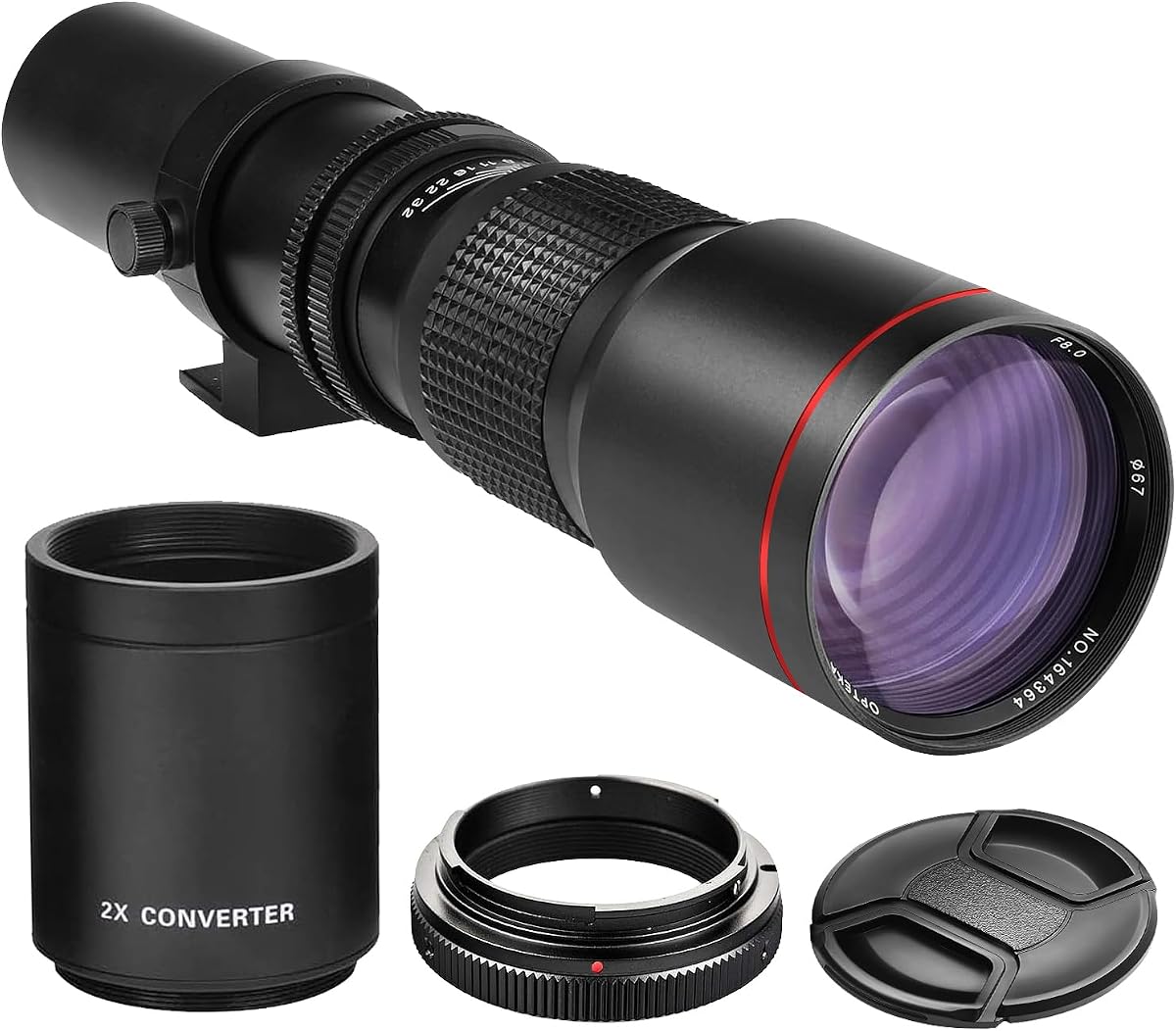
This manual lens provides incredible reach for very low budget photography. It is ideal for those willing to compromise on speed.
We may earn a commission when you buy through this link, at no additional cost to you.
The 2X teleconverter extends reach to 1000mm making distant wildlife accessible. Manual focus allows precise control though it requires patience.
Optical quality is decent for the price but may lack edge sharpness. It works best in bright conditions with stationary subjects.
Suitable for hobbyists on a tight budget. Consider this if you prioritize reach above all else and can handle manual focus.
Doubles power to 1000mm bringing distant subjects remarkably close.
Manual controls give you creative freedom despite slower operation speed.
We may earn a commission when you buy through this link, at no additional cost to you.
A trusted choice among professionals needing versatile telephoto performance. The L-series construction guarantees durability and optical excellence.
We may earn a commission when you buy through this link, at no additional cost to you.
Its 100 to 400mm range offers flexibility for various wildlife scenes. The fluorite elements minimize aberrations ensuring clear sharp images.
While costly it delivers consistent results in diverse conditions. The included filter kit adds extra value for protection and versatility.
Best for serious photographers willing to invest in quality. Choose this if you demand reliability and top-tier image fidelity.
Advanced stabilization reduces camera shake enabling sharper handheld photography.
L-series design ensures durability and consistent performance in field conditions.
We may earn a commission when you buy through this link, at no additional cost to you.
This lens pushes the limits of budget telephoto photography with unmatched range. It is designed for those willing to trade automation for reach.
We may earn a commission when you buy through this link, at no additional cost to you.
With a 1600mm equivalent it brings distant wildlife into clear view. Manual focus and aperture provide full creative control over exposure.
While the optics are decent, image quality may vary. The bulk makes it challenging to use handheld for long periods.
Ideal for hobbyists on a tight budget needing maximum magnification. Use this if your primary goal is reaching faraway subjects affordably.
The 1600mm equivalent enables photography of distant subjects impossible otherwise.
Teleconverter doubles power providing flexibility for varied shooting distances.
We may earn a commission when you buy through this link, at no additional cost to you.
A highly portable lens for EOS R users seeking balance between size and performance. It offers sharp images with reliable stabilization.
We may earn a commission when you buy through this link, at no additional cost to you.
The 100 to 400mm range suits many wildlife scenarios. Nano USM ensures fast and smooth focus essential for tracking animals.
While it lacks extreme reach it excels in portability. The stabilization works well even when handholding at longer focal lengths.
Perfect for travelers and casual wildlife photographers. Pick this if you want a compact and efficient telephoto lens.
Up to 5.5 stops correction helps prevent shake in low light.
High speed autofocus provides quick focus lock on moving subjects.
We may earn a commission when you buy through this link, at no additional cost to you.
This is a classic budget lens for photographers starting out with telephoto work. Its simplicity makes it easy to use for learning.
We may earn a commission when you buy through this link, at no additional cost to you.
With 300mm reach it covers basic wildlife needs. The lightweight design reduces fatigue during use though stabilization is absent.
Optical quality is decent for daylight shots but struggles in dim light. It serves well as an introductory tool for telephoto techniques.
Best for beginners on a strict budget. Consider this if you want to test telephoto photography without major investment.
Affordable price point makes it accessible for new photographers.
Straightforward design ensures ease of use without complex features.
We may earn a commission when you buy through this link, at no additional cost to you.
A robust choice for Nikon shooters needing serious telephoto reach. The VR system ensures stability for crisp images.
We may earn a commission when you buy through this link, at no additional cost to you.
The 200 to 500mm range suits wildlife and sports well. Silent Wave Motor allows quiet focusing which is crucial for skittish animals.
While effective, it is quite heavy for prolonged handheld shooting. The included filters add practical value for field protection.
Ideal for Nikon users prioritizing reach and build. Choose this if you require a reliable super telephoto for nature work.
VR system minimizes shake helping to keep images sharp handheld.
Silent Wave Motor delivers quick focus without disturbing wildlife.
We may earn a commission when you buy through this link, at no additional cost to you.
This renewed lens offers the same capabilities as new models at a lower cost. It provides a practical way to get telephoto photography.
We may earn a commission when you buy through this link, at no additional cost to you.
With 300mm reach it supports basic wildlife photography. The certified renewal ensures the lens meets quality standards for performance.
While it lacks modern features like stabilization it functions well in daylight. It is a smart choice for those prioritizing affordability.
Best for budget conscious shooters needing telephoto capability. Choose this if you want a reliable entry lens without spending much.
Renewed certification ensures product meets performance and condition standards.
Provides access to telephoto photography at an incredibly affordable price.
We may earn a commission when you buy through this link, at no additional cost to you.
Selecting the right lens involves balancing reach, quality, and budget. Consider these factors to find the best match for your camera and needs.
Focal length determines how close distant subjects appear. For wildlife, 300mm or more is generally recommended to capture clear images from a safe distance.
Look for lenses offering 400mm to 800mm reach if your budget allows for maximum flexibility in framing animals.
Stabilization helps reduce blur caused by camera shake, especially at long focal lengths. Optical or in-body stabilization improves handheld shooting success.
Prioritize lenses with built-in stabilization if you often shoot without a tripod or monopod support.
A wider aperture lets in more light enabling faster shutter speeds in low conditions. However, telephoto lenses often have narrower maximum apertures.
Check if the aperture remains acceptable for your typical lighting conditions during outdoor wildlife sessions.
Ensure the lens matches your camera mount system. Using incompatible mounts can lead to performance issues or require adapters.
Verify compatibility with both current and potential future camera bodies to protect your investment.
Fast autofocus systems track moving subjects effectively. Silence is also important to avoid startling wildlife during observation.
Look for USM or silent wave motors that provide quick focus acquisition for dynamic animal behavior.
Longer lenses tend to be heavier which can affect portability during extended fieldwork. Consider your physical comfort when selecting a model.
Choose a lens that balances reach with manageable weight to avoid fatigue on hiking trips.
High-quality glass elements reduce aberrations and improve sharpness across the zoom range. Professional lenses often include fluorite or UD elements.
Invest in optics that maintain clarity even when zoomed in to ensure detailed wildlife images.
Prices vary widely based on build quality and features. Determine your spending limit while ensuring core capabilities meet your needs.
Consider refurbished or older models if you need advanced features at a lower price point.
Begin by setting up your camera on a sturdy tripod to minimize shake. Use the lenses zoom function to frame distant subjects carefully.
Keep the lens clean by wiping the front element gently with a microfiber cloth. Store it in a dry case when not in use to prevent moisture damage.
Regularly check focus calibration and update firmware to maintain performance. Avoid exposing the lens to extreme temperatures to preserve optical quality.
A focal length of 300mm or more is ideal for wildlife photography. This reach allows you to capture clear images without disturbing animals from a safe distance.
Yes, image stabilization is highly recommended for telephoto lenses. It reduces camera shake and improves sharpness especially when shooting handheld at long distances.
You can use EF lenses on RF cameras with an adapter but native RF lenses often perform better. Check compatibility before purchasing to ensure full functionality.
Autofocus lenses adjust focus automatically which is faster for moving subjects. Manual lenses require you to adjust focus manually offering more control but slower operation.
Use a soft brush to remove dust and a microfiber cloth with lens cleaner for smudges. Avoid touching the glass with fingers to prevent oil residue on the surface.
Budget lenses can be excellent for beginners learning composition and settings. They provide adequate reach though they may lack advanced features like stabilization or fast autofocus.
Choosing the right lens depends on your camera system and specific needs. The top picks offer a range of options balancing reach quality and affordability.
Prioritize features like stabilization and autofocus speed if you plan on tracking fast-moving wildlife carefully. Weight and portability also matter for long field sessions.
Always check current availability and prices before purchasing to ensure the best deal. Your ideal lens should match your goals and budget comfortably.