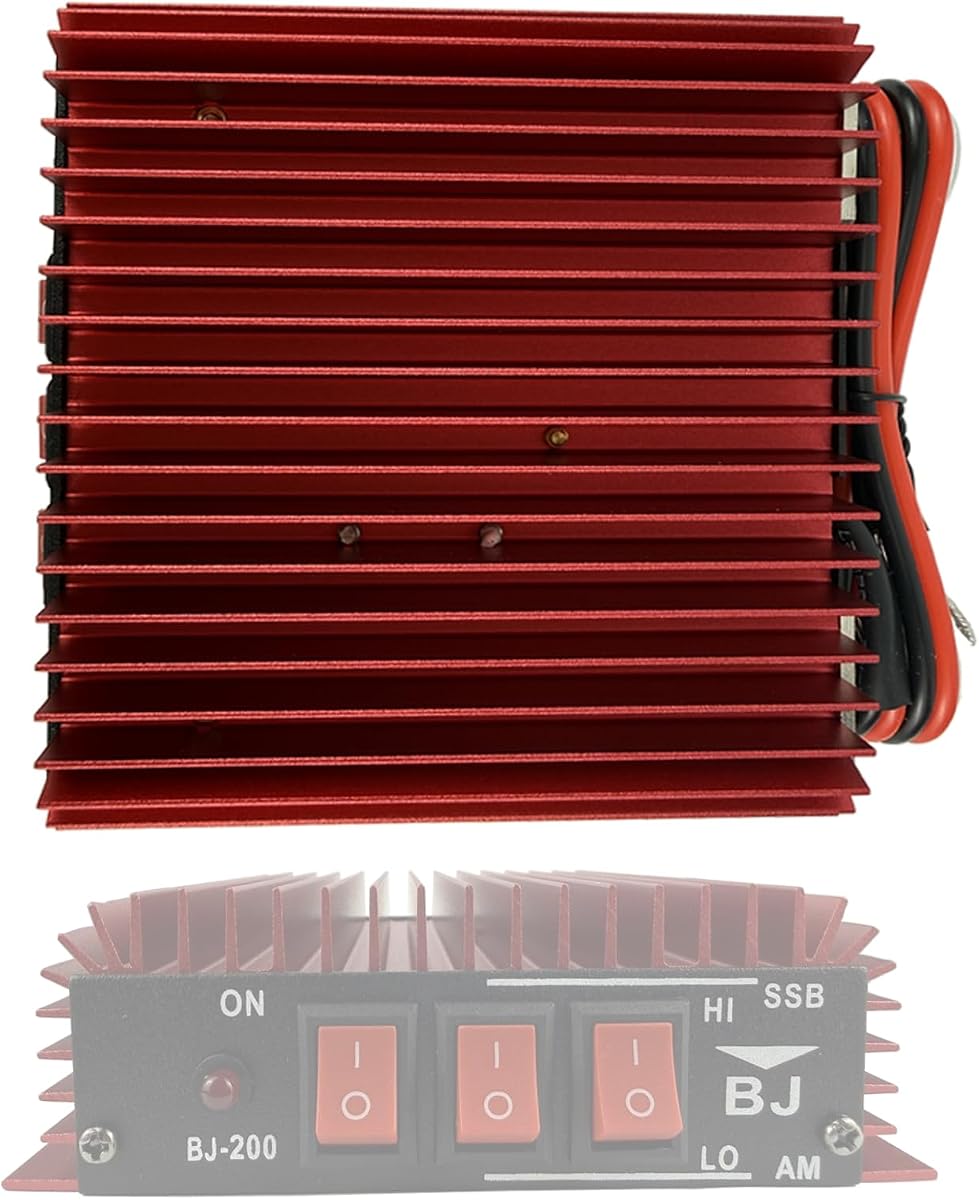
BJ-200 Linear Power AMP
5.0Editor score
50W FM 100W AM
Polarity reversal protection
Compact aluminum heat sink
This guide compares the top ten linear amplifiers for ham radio operators offering detailed specs and performance insights for HF communication setups.
Linear amplifiers are essential for ham radio operators seeking to boost signal strength and improve communication range. These devices amplify your transceiver output to maximize contact distance across HF bands.
We compared ten highly rated products based on power output, compatibility, protection features, and user feedback. Our analysis covers everything from budget-friendly units to premium integrated solutions for serious stations.
Each selection highlights key strengths, weaknesses, and ideal use cases for diverse operational needs. Note that prices fluctuate frequently so verify current offers before making your final purchase decision today.
5.0Editor score

4.2Editor score

3.9Editor score
This side-by-side table compares all ten selected amplifiers across key specifications including output power, input requirements, protection features, and compatibility options to help you find the ideal match.


The Xiegu GPA100 stands out as a top-tier linear amplifier offering clean stable power output with minimal distortion. It earns a solid rating among operators who value reliability and modern features like wireless connectivity.
We may earn a commission when you buy through this link, at no additional cost to you.
Its standout feature is the intelligent auto band switching which tracks your transceiver frequency seamlessly. This allows you to focus on contacts without manual band selection. The cooling system detects overheating and protects internal components automatically.
Trade-offs include a price point that sits higher than entry-level options and specific compatibility requirements. However these are acceptable for operators wanting a robust upgrade for their low-power QRP setups.
Buy this if you run Xiegu G90 or similar radios and want a plug-and-play boost to 100W. It delivers high efficiency and long life for serious HF enthusiasts.
Bluetooth integration allows automatic band changes without extra cables simplifying your station setup significantly.
Built-in circuits guard against high SWR overheating and overcurrent ensuring safe operation during long sessions.
We may earn a commission when you buy through this link, at no additional cost to you.
The BJ-300 Plus offers high power output suitable for extending communication range on HF bands. It supports AM FM SSB and CW modes making it versatile for various operators.
We may earn a commission when you buy through this link, at no additional cost to you.
Its cooling fan and heat sink keep the unit stable during long transmissions. The design includes polarity protection and fuses to prevent damage from electrical errors.
While the power is strong some users note average build quality. The controls are simple which helps beginners but limits advanced customization options.
Choose this for reliable high-power amplification on a budget. It works well with standard CB or HF transceivers needing a straightforward boost.
Built-in cooling fan and large aluminum heat sink prevent overheating during extended transmission sessions.
High and low power switches let you adjust output based on your specific operating needs easily.
We may earn a commission when you buy through this link, at no additional cost to you.
This unit delivers up to 150W SSB output which is great for pushing signal distance. It fits many HF transceivers requiring low wattage drive power.
We may earn a commission when you buy through this link, at no additional cost to you.
Cooling is handled by a dedicated fan and heat sink ensuring components stay safe. Protection circuits include polarity reversal safeguards and fuses for reliability.
The design remains simple with minimal adjustment options. While adequate for most, it lacks advanced tuning or display features found in premium models.
Pick this if you need a direct high-power amp without complexity. It is a straightforward choice for upgrading QRP stations.
Works with transceivers needing 3-5W AM FM or 2-10W SSB input for broad radio compatibility.
Standard PL-259 connectors and simple switches make installation quick and user friendly.
We may earn a commission when you buy through this link, at no additional cost to you.
The BJ-300 provides strong 150W SSB output for HF operators needing a boost. It handles AM FM and CW modes for flexible communication.
We may earn a commission when you buy through this link, at no additional cost to you.
A HI/LO switch lets you adjust power based on need. Overvoltage protection and polarity safeguards ensure the amp survives electrical glitches.
Build quality emphasizes durability with a compact alloy heat sink. While specs are solid user data is scarce so test carefully.
Consider this for a powerful and compact upgrade. It suits those wanting high power without complex features.
HI and LO power selection switches give you flexibility over output strength quickly.
Built-in electronic switches guard against incorrect power connections for safer operation.
We may earn a commission when you buy through this link, at no additional cost to you.
Rated 5.0 stars this BJ-200 Linear AMP offers great value with high output power. It supports AM FM and SSB across the HF band effectively.
We may earn a commission when you buy through this link, at no additional cost to you.
Key strengths include built-in polarity reversal protection and a durable heat sink. These features protect your gear from common power mistakes and overheating.
Trade-offs are simple controls with no digital display. For the price these are minor compromises given its reliability and performance.
Buy this for a reliable low-cost boost. Perfect for mobile or base stations needing straightforward power increases.
Clear HI/LO power adjustment and mode selectors offer simple operation for daily use.
Polarity reversal protection prevents damage from incorrect power connections ensuring safety.
We may earn a commission when you buy through this link, at no additional cost to you.
The Xiegu XPA125B combines a 100W amplifier and automatic tuner in one unit. It is ideal for QRP operators needing instant impedance matching.
We may earn a commission when you buy through this link, at no additional cost to you.
Features like a large LCD show power and temperature data. Protection circuits enter bypass mode on high SWR keeping your radio safe.
Its premium features come at a higher cost. Still the integration saves space and complexity for dedicated stations.
Get this if you want an all-in-one solution. The built-in tuner and display make it worth the investment.
Automatic tuner handles loads from 14 to 500 ohms matching antennas efficiently.
2.7 inch screen shows input output power SWR and temps clearly.
We may earn a commission when you buy through this link, at no additional cost to you.
This module offers 30W linear output across the HF spectrum. It is designed for CW and SSB modes for clear communication.
We may earn a commission when you buy through this link, at no additional cost to you.
Its compact board design includes a heat sink and clear ports. This makes it easy to integrate into custom radio projects.
Trade-offs include low power and lack of case. It is best for kits or small upgrades.
Choose this for DIY HF projects needing a clean boost. It delivers stable signal clarity.
Engineered for 3MHz to 30MHz operation covering all major amateur bands.
High efficiency transistors deliver consistent gain without manual tuning needed.
We may earn a commission when you buy through this link, at no additional cost to you.
This BJ-200 variant supports 12-14V DC making it suitable for automotive or base setups. It uses SO-239 connectors for quick connections.
We may earn a commission when you buy through this link, at no additional cost to you.
The three-wire hook is minimal and functional. It fits standard CB and Ham radios needing a simple boost.
Specs are minimal and data is sparse. It serves basic needs without extra features.
Get this for a straightforward CB amplifier upgrade. It works well for basic HF boosts.
Wide 12-14V input ensures stable operation in vehicle or stationary setups.
SO-239 connectors on RF ports fit standard antennas and cables easily.
We may earn a commission when you buy through this link, at no additional cost to you.
This wideband LNA boosts weak signal reception across 0.1MHz to 2000MHz. It is ideal for listening on shortwave or SDR.
We may earn a commission when you buy through this link, at no additional cost to you.
Key strengths include low noise figure and 32dB gain. These enhance clarity on distant stations without adding static.
It is receive-only so it cannot transmit. That limits its use to preamp roles but it excels there.
Use this for field listening or SDR setups. It clears up weak signals perfectly.
32dB gain improves weak signal strength significantly for better reception quality.
27mA current draw allows portable use with battery power for field days.
We may earn a commission when you buy through this link, at no additional cost to you.
This version of the XPA125B focuses on integration with Xiegu hosts. It offers consistent 100W output and automatic tuning.
We may earn a commission when you buy through this link, at no additional cost to you.
Strengths include premium build materials and after-sales support. Maintenance is easy with professional technicians.
It shares features with other XPA125B models but emphasizes host compatibility. A good choice for Xiegu users.
Choose this if you own a G90 or similar. It ensures seamless operation and tuning.
Ensures maximum output power is automatically maintained during operation.
Ham Club Only provides Xiegu products with professional after-sales service.
We may earn a commission when you buy through this link, at no additional cost to you.
Selecting the right linear amplifier requires balancing power, compatibility, and protection. This guide walks you through the critical factors to ensure you make an informed choice.
Check the amplifier's maximum output power for HF bands. Operators needing stronger signals should look for units delivering 100W or more.
Match the output to your radio's power class and your goals.
Ensure the amplifier works with your specific transceiver. Some units auto-track bands while others need manual switching.
Verify input power requirements match your radio's output.
Confirm the amplifier supports the HF bands you use most. Some offer automatic switching for multiple bands.
Full HF coverage simplifies operation.
Look for safeguards against high SWR overheating and overcurrent. These protect both the amp and your radio.
Protection ensures reliable operation during storms.
Active fans or large heat sinks are vital for thermal management. They prevent shutdowns during long QSOs.
Active cooling is best for heavy usage.
Consider control panels and displays. Units with LCDs offer better feedback on power and SWR.
Simple interfaces speed up setup.
If you plan field use choose compact models. Battery-friendly options suit portable setups.
Size matters for mobile or field ops.
Set a realistic budget considering your needs. Higher price does not always mean better performance.
Balance cost with required features.
Connect the amplifier between your transceiver and antenna using proper RF cables. Match connector types like PL-259 to ensure secure signal path.
Always use a stable power supply matching the voltage and current specs. Ensure polarity is correct to avoid damage.
Monitor temperature and SWR during operation. Allow cooling time between long transmissions to preserve lifespan.
Not everyone needs one but they extend range for weak-signal work or contesting. QRP operators often use them to reach legal limits.
Linear amps preserve signal shape for AM SSB and CW. Non-linear ones are simpler but distort voice signals so avoid for HF.
Check your radio's drive power and match the amp's input range. Using too much drive can damage internal components.
Many cover 160m to 6m but verify the model. Some have switches or auto tracking for specific bands.
Prioritize SWR monitoring overheating cutoffs and short circuit protection. These prevent damage from antenna issues.
Some units have built-in tuners. If not use a separate one to avoid high SWR reflections.
The Xiegu GPA100 leads with auto band switching and strong output. Budget pick BJ-200 offers solid power and protection.
Prioritize protection and cooling to protect your gear. Match compatibility carefully to avoid setup issues.
Prices shift often so verify current listings before purchasing. A well-chosen amplifier extends your station reach.