
Uniden SR30C
4.0Editor score
500 channel capacity
Close Call RF Capture
PC programmable setup
Handheld scanners allow enthusiasts to monitor public safety, aviation, and marine bands anywhere. Choosing the right device requires balancing portability, digital capabilities, and ease of programming for your specific environment.
We evaluated ten models ranging from entry-level analog units to advanced digital trunking receivers and spectrum analyzers. Our comparison focuses on coverage, signal performance, battery life, and user interface to identify the most reliable tools.
Each product profile highlights key specifications, standout features, and real-world usage scenarios. Note that pricing and availability fluctuate frequently, so verify current listings before making your final purchase decision.
4.0Editor score

4.4Editor score

4.5Editor score
As an Amazon Associate we earn from qualifying purchases.
The following table presents a side-by-side overview of all ten reviewed models. Use this quick reference to compare channel counts, digital support, and key hardware specifications across the entire lineup.
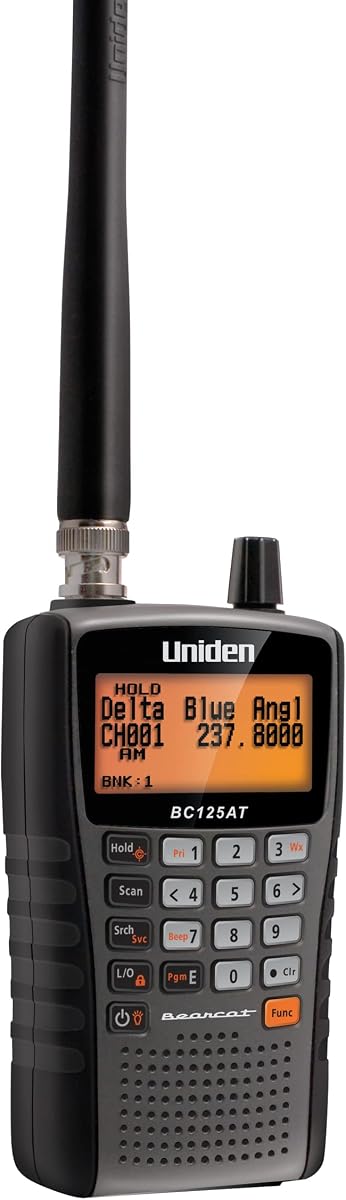
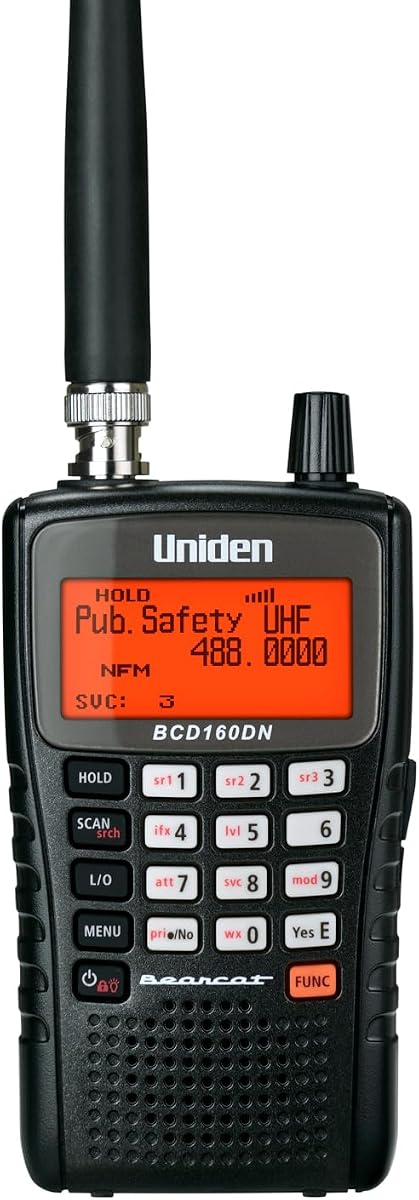


The Uniden Bearcat BC125AT is a feature-rich analog handheld scanner that offers 500 channels in a compact design. It is a solid entry point for those who want to monitor local broadcasts without complex programming.
We may earn a commission when you buy through this link, at no additional cost to you.
This device features Close Call RF capture technology that tunes to nearby signals automatically. It also includes Do Not Disturb Mode to prevent checks during transmission and 500 channels divided into 10 storage banks for organized listening.
While it lacks digital trunking capabilities, the BC125AT is ideal for analog environments. Its pre-sets make finding popular services like Police/Fire and Aviation straightforward for new users.
Buyers looking for a simple analog scanner will find this unit reliable. It is best suited for rural areas or hobbyists who do not need to track digital public safety systems.
Close Call technology instantly tunes to signals from nearby transmitters for faster discovery.
Alpha-tagged channels allow you to assign names to tracks for easy identification.
We may earn a commission when you buy through this link, at no additional cost to you.
The Uniden BCD160DN sets a standard for performance by supporting DMR and NXDN systems. It offers 1,000 channels and uses exclusive features like Band Scope Rapid Tagging to detect signals faster.
We may earn a commission when you buy through this link, at no additional cost to you.
Users benefit from the ability to decode sub audible tones instantly. The scanner comes preloaded with digital modes so you can start listening immediately upon unboxing.
While it lacks trunking support, this model is a robust choice for digital monitoring. PC programming allows for advanced profile and database management.
This unit is suitable for those needing digital capability without high-end trunking features. Ensure your local systems match its supported protocols before purchase.
DCS/CTCSS Rapid Decode identifies tone settings immediately for better tracking.
Includes rechargeable Ni-MH batteries that can be charged via USB while in the unit.
We may earn a commission when you buy through this link, at no additional cost to you.
The Uniden Bearcat SR30C is a very affordable 500-channel handheld scanner with loads of features. It provides excellent value for entry-level users who need basic monitoring capabilities.
We may earn a commission when you buy through this link, at no additional cost to you.
It features Turbo Search and PC programming to help you find and organize channels efficiently. The device is not for receiving digital communications but supports analog services like NOAA and Aviation.
Three power options provide flexibility for field use. You can power it via USB, alkaline batteries, or rechargeable Ni-MH batteries with a USB cable.
This scanner is an excellent entry-level portable unit. It is best for those who do not need digital trunking capabilities and want a lightweight device.
You can power the unit with USB or battery types depending on your needs.
The compact design makes it easy to carry during outings or road trips.
We may earn a commission when you buy through this link, at no additional cost to you.
The Uniden SDS100 offers True I/Q technology that improves digital performance in challenging RF environments. It is built to handle simulcast and weak-signal areas better than standard receivers.
We may earn a commission when you buy through this link, at no additional cost to you.
Location-Based Scanning allows you to set your position via zip code for instant reception. The HomePatrol Database includes known radio systems in the US and Canada and is updatable.
Its rugged JIS 4 construction makes it weather resistant for field work. The customizable color display lets you prioritize information based on your preferences.
For serious enthusiasts needing top-tier digital performance, the SDS100 is the choice. It justifies the cost with superior signal recovery and professional features.
Captures the complete signal waveform in 3 dimensions for better error correction.
Connect an external GPS to automatically select systems based on location.
We may earn a commission when you buy through this link, at no additional cost to you.
The Whistler WS1040 supports P25 Phase I trunking and offers multi-system capabilities. It is a programmable unit designed for those who need to manage complex radio systems.
We may earn a commission when you buy through this link, at no additional cost to you.
Free Form Memory Organization allocates memory dynamically, unlike rigid banks in older scanners. Digital AGC compensates for low audio levels common on digital systems.
Menu driven programming with context sensitive help assists with setup. Skywarn storm spotter functionality gives instant access to storm spotter networks.
This scanner is suited for users comfortable with technical setup. It delivers strong trunking performance and weather alerts for safety monitoring.
Dynamic allocation avoids waste by using memory only as needed.
Digital AGC ensures audio remains clear even at low user levels.
We may earn a commission when you buy through this link, at no additional cost to you.
The Uniden BCD436HP brings HomePatrol ease of use to a handheld scanner. It uses TrunkTracker V to identify systems based on your zip code without complex programming.
We may earn a commission when you buy through this link, at no additional cost to you.
With a scan speed of 85 channels per second, it captures communications quickly. The Instant Replay feature plays back up to 240 seconds of recent transmissions.
The Extra-Large Display ensures readability, and custom alerts allow you to select tones and colors for important events. It covers USA and Canada systems effectively.
This unit is ideal for users who want powerful features without the complexity. It balances ease of use with advanced monitoring capabilities.
Listen to missed calls by playing back up to four minutes of audio.
Enter your zip code and let TrunkTracker V handle the rest.
We may earn a commission when you buy through this link, at no additional cost to you.
The SeeSii TinySA Ultra+ is a spectrum analyzer that covers 100kHz to 5.4GHz. It offers a 4.0 inch touchscreen and allows direct data recording to the built-in 32Gb card.
We may earn a commission when you buy through this link, at no additional cost to you.
It functions as a signal generator as well, supporting sine wave and square wave outputs. The upgraded version includes ESD protection for improved stability and longevity.
Battery life is extended with a 5000mAh battery charged via USB. PC control allows data transfer via the TinySA-APP for deeper analysis.
This device is perfect for RF testing and interference monitoring. It requires technical skill but provides detailed spectrum visualization.
Covers 100kHz to 5.4GHz for comprehensive signal analysis.
Built-in 32Gb card stores measurement data for later review.
We may earn a commission when you buy through this link, at no additional cost to you.
The AURSINC TinySA Ultra+ ZS407 extends measurement up to 7.3GHz in Ultra mode. It features a 4-inch IPS display and an integrated LNA for weak signal reception.
We may earn a commission when you buy through this link, at no additional cost to you.
Users get precise signal stability analysis thanks to low phase noise. The 2-in-1 generator supports RF testing workflows for verification tasks.
Battery performance is robust with a 5000mAh Li-polymer battery. Data management includes PC control and built-in 32GB MicroSD storage.
This analyzer is ideal for advanced RF testing scenarios. It is best for technical users needing wide range precision.
Integrated LNA provides up to 20dB gain for better sensitivity.
450 scan points per sweep deliver detailed RF signal visualization.
We may earn a commission when you buy through this link, at no additional cost to you.
The Portable Tinysa Analyzer by AURSINC offers a compact solution for 100kHz to 960MHz analysis. It features ESD protection for stability and includes a built-in calibration signal generator.
We may earn a commission when you buy through this link, at no additional cost to you.
The 2.8 inch touchscreen covers full low or high frequency ranges. It can be controlled via USB using Serial over USB protocol on Windows or Linux.
Battery life is supported by a built-in 500mAh battery. Package contents include cables, antenna, and stylus for immediate use.
This is a great option for portable testing needs. It balances functionality with a smaller footprint for field work.
ESD protection uses a diode to improve stability and longevity.
USB interface allows automatic driver installation on compatible systems.
We may earn a commission when you buy through this link, at no additional cost to you.
The AURSINC TinySA Ultra+ ZS406 features 100kHz to 5.4GHz range with adjustable RBW. It includes a 0–31dB input step attenuator for precise measurements.
We may earn a commission when you buy through this link, at no additional cost to you.
Phase noise performance is excellent, supporting SSB two-tone intermodulation testing. PC control uses TinySA-APP for data transfer and settings updates.
It provides 450 points for gapless full-band coverage. The built-in 5000mAh battery supports at least 3 hours of continuous operation.
This analyzer is best for users needing precision spectrum data. It offers high-end specs with robust battery life.
Input step attenuator and low phase noise ensure accurate readings.
Default 800MHz maximum frequency enables full-band monitoring in one sweep.
We may earn a commission when you buy through this link, at no additional cost to you.
Selecting the right handheld scanner involves understanding the differences between analog, digital, and spectrum analyzer technologies. This section outlines key factors to consider before making a purchase.
Analog scanners are simple and affordable but cannot decode digital signals like P25 or DMR. Many public safety agencies have shifted to digital trunking systems, so a digital scanner is essential if you want to monitor local police or fire departments.
Verify whether your local agencies use analog or digital systems before buying. If digital is required, ensure the scanner supports the specific protocols used in your region.
Channel capacity determines how many frequencies you can store. While 500 channels may suffice for general use, advanced users may need 1,000 or more to track multiple systems efficiently.
Look for alpha tagging or custom naming features to organize your memories effectively. This helps in quickly identifying specific agencies or locations during monitoring.
Trunking systems use dynamic frequency allocation, which requires specialized tracking technology. Not all digital scanners support trunking, so check the specs carefully if you need this feature.
Models with TrunkTracker or similar technologies simplify the process. They allow you to monitor systems that constantly switch frequencies without losing transmission.
Spectrum analyzers cover wide ranges like 100kHz to 7GHz, while traditional scanners focus on specific bands like VHF or UHF. Choose based on whether you need voice or raw signal analysis.
Ensure the device covers the bands you intend to listen to, such as aviation, marine, or public safety. Some units have pre-sets that make this easier.
Some scanners require PC programming, while others allow zip code setup on the device. Simple interfaces save time and make the unit more portable.
Consider whether you prefer manual control or automated features. Menu-driven help and search functions can significantly reduce setup effort.
Battery life varies by usage and type. Look for units that accept rechargeable batteries or offer USB power for continuous field use.
Long battery life is critical for outdoor monitoring. Rechargeable options reduce long-term costs compared to alkaline batteries.
Rugged construction and weather resistance are important for outdoor environments. Devices with JIS ratings protect against dust and water during use.
Check for impact resistance and reliable connectors. A sturdy build ensures the scanner survives drops or harsh weather conditions.
Features like Close Call RF capture, weather alerts, and GPS integration add value. These tools enhance usability and help you find signals faster.
Prioritize features that match your specific needs. Extra functions are useful but should not outweigh core performance requirements.
Start by familiarizing yourself with the power options and initial setup. Insert batteries or connect to a USB source before turning the unit on to ensure stable operation.
Use the built-in pre-sets to scan common bands like Aviation or NOAA Weather immediately. This helps you understand what signals are available in your area before advanced programming.
Regularly update your database and firmware via PC connection to maintain accuracy. Store data on external memory cards to prevent loss and extend device performance.
Analog scanners listen to traditional radio waves, while digital scanners decode signals converted into binary data. Many modern agencies use digital systems, making digital scanners necessary for monitoring police or fire communications effectively.
No, most handheld scanners work without subscriptions. They receive broadcasts directly from radio towers. However, some online streaming services for radio require separate subscriptions for access.
Yes, scanners are portable. However, signal strength depends on tower location. You may need to program local frequencies manually when traveling to monitor specific systems in a new region.
Your scanner may be analog only. Digital transmissions like P25 or DMR require a digital capable receiver. Check the product specs to ensure it supports the protocol you are trying to monitor.
Methods vary. Some units allow zip code entry, while others require PC software. Consult the manual to choose the easiest method. Manual entry is possible but time consuming.
Yes, listening is legal for personal use. However, transmitting or using scanners in restricted areas like aircraft cockpits is prohibited. Always follow local laws regarding radio monitoring.
The top picks for 2026 include the Uniden SDS100 for performance, the SR30C for budget value, and the TinySA Ultra+ for spectrum analysis. These models cover a wide range of user needs.
Prioritize digital support and trunking capabilities if you plan to monitor public safety systems. Budget units are fine for hobbyists focusing on aviation or marine bands.
Always verify current prices and availability before buying. Technology evolves quickly, so checking recent reviews ensures you select a model that meets today's standards.