
Korg Volca Drum Digital Percussion Synthesizer w/ 16-step Sequencer and Active Step
4.4Editor score
Compact portable design
Six-part DSP synth engine
Active step function
This guide compares the top 10 digital drum machines for creators, highlighting sound quality, sequencing, and workflow features.
Digital drum machines have evolved from simple rhythm boxes to sophisticated production tools. Modern units offer sampling, synthesis, and deep sequencing capabilities for any musician.
We evaluated ten standout models based on sound engine flexibility, workflow intuitiveness, and connectivity options. Each product brings unique strengths for studio or live performance scenarios.
Every selection includes detailed specifications and real-world usage insights to help you choose wisely. Please note that prices and availability can fluctuate over time.
4.4Editor score

4.8Editor score

4.4Editor score
This side-by-side comparison highlights key specifications and unique features across all ten selected digital drum machines to help you find the right tool.
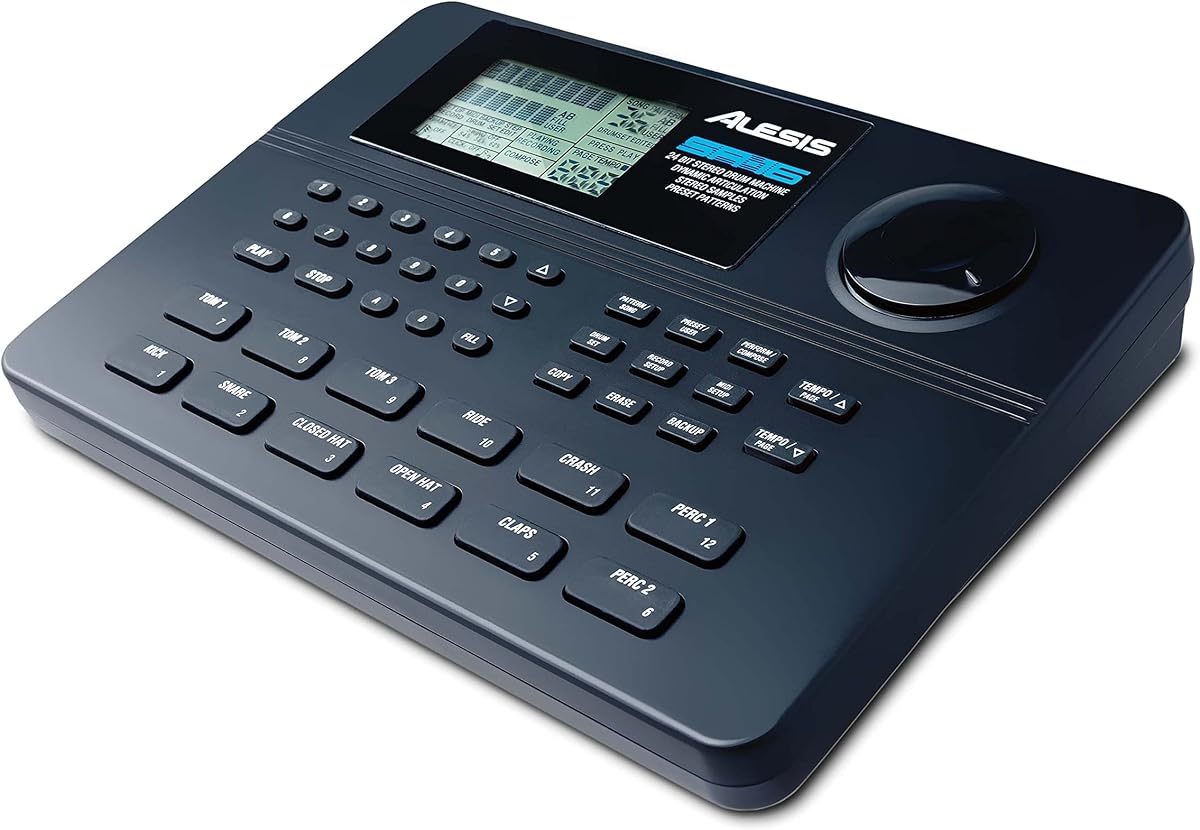


The Alesis SR-16 is a legendary classic drum machine known for its professional sounds and built-in digital effects. With a rating of 4.4, it remains a top choice for songwriters and live performers seeking reliable rhythm generation.
We may earn a commission when you buy through this link, at no additional cost to you.
This unit stands out with its 233 professional sounds and 12 velocity sensitive pads powered by Dynamic Articulation. The seamless MIDI connectivity allows integration with keyboards and computers, while the 50 preset kits offer immediate creative starting points for any genre.
While the interface reflects its vintage origins, the production-ready features like sound stacking and step editing ensure it remains relevant. Some modern effects are limited compared to newer units, but the core sound quality and reliability are acceptable for most professional workflows.
Musicians looking for a proven tool with extensive preset options will find this drum machine ideal. It is highly recommended for those valuing timeless sound over cutting-edge digital manipulation.
This feature ensures each pad hit produces nuanced sound variations based on velocity for realistic performance.
Connects effortlessly with external gear allowing complex multi-device setups for studio or stage.
We may earn a commission when you buy through this link, at no additional cost to you.
The Roland TR-8S combines legendary TR drum heritage with modern production techniques, earning a stellar 4.8 rating. It is designed for versatile kit design allowing users to mix authentic TR sounds with custom samples for unique rhythms.
We may earn a commission when you buy through this link, at no additional cost to you.
Key strengths include detailed circuit models of classic machines like the 808 and 909 alongside flexible sample import via SD card. Advanced manipulation features let you tune decay and alter sample direction while comprehensive effects add depth to every instrument in the kit.
The higher cost and complexity might deter beginners but experienced producers will appreciate the depth. The detailed controls require time to master yet offer unparalleled flexibility for crafting genre-defying tracks.
This drum machine is perfect for sound designers and performers needing robust customization. Invest in this unit if you demand both iconic tones and modern sampling capabilities.
Provides authentic sound replication of vintage hardware with detailed circuit models for accuracy.
Allows you to import mono or stereo sounds via SD card for fully custom kits.
We may earn a commission when you buy through this link, at no additional cost to you.
The Korg Volca Drum offers an affordable yet high-quality drum machine experience with a compact portable design. Featuring a 4.4 rating, it provides a six-part DSP synth engine and built-in speaker for on-the-go music creation without external gear.
We may earn a commission when you buy through this link, at no additional cost to you.
Its standout features include the waveguide resonator for rich resonances and the Active Step function which adds variety by replacing steps in patterns. The slice function allows intricate rhythms while two randomize functions expand inspiration by changing sounds dynamically.
The smaller interface and limited memory may restrict complex productions compared to larger units. These trade-offs are acceptable given the price and portability making it ideal for quick ideas and practice.
Best for beginners or travelers needing a lightweight rhythmic tool. Choose this if you prioritize budget and portability over deep sound engineering.
Lets you replace steps for each part adding variety and complexity to simple patterns.
Adds rich resonances to drum sounds mimicking natural acoustic properties.
We may earn a commission when you buy through this link, at no additional cost to you.
The Yamaha DTX Multi Pad provides a massive library of 1,061 drum and percussion sounds alongside 216 keyboard sounds. With a 4.3 rating, it is designed for performers needing versatile triggering options and robust user sample storage.
We may earn a commission when you buy through this link, at no additional cost to you.
Its Mute/Layer function allows complex sound manipulation while the built-in sequencer and preset loops aid in arrangement. The 64MB Flash-ROM ensures you can store user samples for live performance flexibility without external hardware.
The broader focus on keyboard sounds may dilute the drum-centric experience compared to dedicated machines. This is acceptable if you need a multi-instrument pad rather than pure drum synthesis.
Ideal for multi-talented performers needing a single tool for various instruments. Purchase this if you require a vast sound palette beyond standard drum kits.
Allows stacking sounds for richer textures and complex rhythmic layers in real time.
64MB Flash-ROM allows loading custom sounds for personalized performance setups.
We may earn a commission when you buy through this link, at no additional cost to you.
The Akai Professional MPC Sample delivers the iconic MPC workflow in a portable format earning a 4.8 rating. It is a complete standalone operation with battery power and 16 responsive pads allowing recording and editing without a computer.
We may earn a commission when you buy through this link, at no additional cost to you.
Key strengths include the Instant Sample Chop Mode and 60 effect types like Flex Beat and Color Compressor. The comprehensive I/O allows integration into live rigs while the internal resampling engine supports flexible production setups anywhere.
The lack of an internal mixer may limit multi-track balancing on the fly. Relying on SD cards for storage means users must manage media carefully for consistent workflow performance.
This sampler is perfect for beatmakers needing portability without sacrificing workflow quality. Select it if you value the MPC legacy in a travel-friendly package.
Expands workflow integration allowing projects to move between standalone and desktop systems easily.
Includes four internal processors with dedicated knobs for real-time sound shaping.
We may earn a commission when you buy through this link, at no additional cost to you.
The teenage engineering EP–133 K.O. II is a powerful sampler and drum machine designed to get you from idea to track faster. With a 4.7 rating, it offers a fully reworked sequencer and double the memory capacity for extensive sample storage and creative freedom.
We may earn a commission when you buy through this link, at no additional cost to you.
Its sequencer engine allows instant pattern swapping and real-time effects control via a multifunctional fader. The built-in microphone and line-in allow easy sampling of voice or vinyl while 12 punch-in effects provide dynamic sound manipulation on the fly.
The unique workflow may require adjustment for users accustomed to traditional interfaces. Limited visual feedback can make navigation challenging but is acceptable given the rapid production capabilities.
Ideal for experimental artists and producers valuing speed and portability. Choose this if you want a unique device for quick beat generation and manipulation.
Instantly swap patterns per group to find combinations that work best in real time.
Allows fast addition of stereo and punch-in effects during performance for dynamic tracks.
We may earn a commission when you buy through this link, at no additional cost to you.
The KORG drumlogue offers a threefold hybrid engine combining analog digital and multi-source capabilities. With a 3.6 rating, it provides a powerful 11-part sequencer and dedicated volume knobs for live mixing and dynamic performance control.
We may earn a commission when you buy through this link, at no additional cost to you.
Its main strength lies in customizable effects and open-source user oscillators that allow deep sound design. Connectivity features like USB-C and Audio In enable processing other instruments through the drumlogue's effect chain for expanded sonic options.
The complexity of combining multiple engine types can lead to a steeper learning curve. Users willing to explore these features will find the flexibility and sound depth highly rewarding.
Best suited for sound designers seeking hybrid textures. Invest in this unit if you value customization over simple plug-and-play operation.
Combines analog warmth with digital precision and user oscillators for unique sounds.
Allows community-created oscillators and effects for endless sound design possibilities.
We may earn a commission when you buy through this link, at no additional cost to you.
The Behringer LM DRUM offers superior sound quality with 16 voices of sampling architecture and a comprehensive connectivity suite. With a perfect 5.0 rating, it ensures reliable performance for both studio and live environments with robust build quality.
We may earn a commission when you buy through this link, at no additional cost to you.
Its 64-step sequencer supports poly-meter and real-time triggering while the integrated FX bus includes Wave Designer and analog filters. The 16 independent analog outputs allow multi-track recording or external processing for complex setups.
The bundled accessories like headphones and cables add value but may limit individual component choices. The basic display is functional but lacks advanced visual feedback found in premium models.
Perfect for users needing reliable modular integration without high cost. Choose this if you value professional connectivity and sound fidelity.
Integrated Wave Designer and dual-mode Analog Filter with per voice assignment for detailed shaping.
16 independent outputs allow external processing or multi-track recording of individual rhythms.
We may earn a commission when you buy through this link, at no additional cost to you.
The Elektron Digitakt II stands as a premium digital drum computer offering 16 audio tracks and a 128-step sequencer for deep composition. Its 4.4 rating reflects the high quality of its sound processing and song mode capabilities for full compositions.
We may earn a commission when you buy through this link, at no additional cost to you.
Key strengths include three assignable LFOs per track and swappable filters offering diverse tone shaping. The Euclidean sequence generator and 4 trig modes provide powerful rhythmic control that professional producers appreciate for complex arrangements.
The high cost and steep learning curve may be barriers for casual users. These trade-offs are acceptable for professionals seeking a highly capable standalone production environment.
Ideal for composers and producers needing deep control. Purchase this if you require a robust machine for serious musical production.
Offers base-width and multi-mode filters allowing diverse tonal changes per track.
Generates complex polyrhythms automatically saving time on manual pattern entry.
We may earn a commission when you buy through this link, at no additional cost to you.
The Singular Sound BeatBuddy is the first-ever drum machine in a pedal format allowing musicians to control beats live with physical foot switches. With a 4.5 rating, it offers studio-quality sound and a visual metronome to help improve timing during performance.
We may earn a commission when you buy through this link, at no additional cost to you.
Its massive sound library includes 200+ songs and 10 drum kits while the LCD screen visualizes rhythm for perfect timing. The ultra-lightweight design ensures it fits easily into existing pedal boards without adding bulk to the setup.
The pedal format limits detailed editing compared to screen-based units but allows hands-free control for guitarists. This design choice is ideal for live performance but less practical for deep song construction.
Perfect for guitarists and solo performers needing rhythmic support. Choose this if you prioritize live control and portability.
LCD screen visualizes tempo to help master complex time signatures effortlessly.
Allows feet control while hands play instrument making it ideal for solo artists.
We may earn a commission when you buy through this link, at no additional cost to you.
Selecting the right digital drum machine involves understanding sound engines, connectivity, and workflow needs.
Sound engine type defines the sonic character of your rhythms. Options range from sampled acoustic kits to synthesized waveforms and hybrid models combining both. Understanding whether you need authentic vintage tones or modern synthesized textures is essential for matching the machine to your musical style.
Choose an engine that aligns with your genre requirements and production goals.
Sampling allows you to import custom sounds or record your own audio for unique drum kits. Look for models with SD card slots or USB storage that support stereo files and adequate memory for storage. This feature is vital if you want to use specific audio clips in your productions.
Verify file format support and memory size to ensure your sample library fits.
Sequencing determines how you build and edit rhythms. Key features include step editing, swing control, and polyrhythmic support. Advanced machines offer Euclidean sequencing or pattern chaining for complex compositions without manual input.
Prioritize workflow features that speed up your creative process.
Connectivity ensures the machine integrates with your studio or live setup. Look for MIDI inputs and outputs, USB-C, and multiple audio outputs for multi-track recording. Sync inputs and outputs help synchronize with other hardware like synthesizers or sequencers.
Ensure the unit supports your existing gear connections before purchasing.
Portability matters if you plan to take the unit on tour or to rehearsals. Battery operation or USB power options extend use without mains electricity. Lightweight designs reduce travel burden while sturdy construction protects against frequent movement.
Check power requirements and physical dimensions for your intended usage scenarios.
Built-in effects like reverb delay and filtering add depth and character to your beats. Some units allow per-voice effects while others apply master effects globally. Look for dedicated knobs or parameters for real-time manipulation during performance.
Choose a unit with enough FX processors to shape your sounds appropriately.
The user interface affects how quickly you can access features during production. Touchscreens offer flexibility but physical knobs and pads provide tactile control. Consider whether you prefer visual menus or physical controls for rapid workflow.
Select a interface that matches your preferred working style.
Expandability ensures the machine grows with your skills and needs. Some models support software updates that add new features or sounds. Compatibility with computer editors or cloud storage allows you to back up and organize projects easily.
Check for update policies and software support before finalizing your choice.
Begin by connecting the unit to your audio interface or speakers using appropriate cables to ensure clean signal transmission. Power on the device and verify that the sound engine is active before starting to create patterns.
Use the step sequencer to input basic rhythms before adding variation and fills. Adjust velocity and accent parameters to create dynamic performances that sound human rather than mechanical.
Store your patterns regularly using internal memory or SD cards to prevent data loss. Keep the device away from extreme temperatures and moisture to maintain hardware integrity and battery health over time.
A drum machine typically focuses on creating rhythmic patterns using built-in sounds and sequencers. A sampler allows you to record and play back custom audio clips which can include any sound. Some units combine both features for maximum versatility in music production.
Yes, most modern digital drum machines are standalone units that function independently of a computer. They feature internal memory and SD card storage for saving and loading projects without needing external software integration.
Most units include a headphone jack for private monitoring during practice or performance. Check the specifications to confirm the output type and level compatibility with your headphones.
Updates are usually handled by downloading firmware from the manufacturer's website and transferring it via USB or SD card. Follow the specific instructions provided with your device to avoid interrupting the update process.
Digital drum machines typically support standard MIDI 1.0 protocols for communication with other gear. Ensure your external devices share the same protocol for seamless synchronization and control.
Some units allow recording via microphone input or line input to capture live drum performances. You can then trigger these recordings as loops or patterns within the drum machine's sequencer.
Many portable drum machines operate on AA batteries or rechargeable internal batteries. Larger units often require AC adapters but may offer USB power options for flexibility during travel or setup.
Yes, many drum machines allow real-time editing of patterns and parameters during live performances. Use dedicated knobs or sliders to modify parameters such as tempo filter cutoff and accent without interrupting playback.
The Roland TR-8S Korg Volca Drum and Elektron Digitakt II stand out as top picks for versatility affordability and depth respectively. Each unit serves different needs ranging from quick portable rhythms to advanced production workflows.
Prioritize sound engine quality and connectivity to ensure the machine fits your production environment. Consider whether you need advanced editing features or simpler controls for your specific musical requirements.
Remember to check current availability and product specifications before making a purchase as models evolve over time. Investing in a reliable drum machine enhances your creative capabilities significantly.